
What changes are currently taking place in Italy? The news that Italy, once a leader in Europe's 'nuclear phase-out' trend, is moving to re-embrace nuclear power after nearly 40 years has surprised many. On June 4, 2026, the Italian House of Representatives passed a bill to restart nuclear power generation, marking a significant first step. The bill is expected to receive final approval from the Senate by the end of next month.
The Real Reasons Behind Italy's Return to Nuclear Power
Italy's decision to reverse its long-standing nuclear phase-out policy and restart nuclear power is driven by a combination of factors. The most significant reasons are the deepening energy security crisis and the resulting soaring electricity costs. Italy's high dependence on natural gas imports makes it very vulnerable to fluctuations in international energy prices. With recent instability in the Middle East and other regions making energy supply chains precarious, securing stable energy sources has become a national priority.
Furthermore, the goal of achieving carbon neutrality by 2050 is also a crucial backdrop. While there has been significant investment in expanding renewable energy, the judgment was made that renewables alone cannot meet the rapidly increasing electricity demand from industry and households. In this context, even European Commission President Ursula von der Leyen stated in March, emphasizing the importance of nuclear power, that "Europe's turning away from reliable and affordable low-carbon power sources was a strategic mistake".
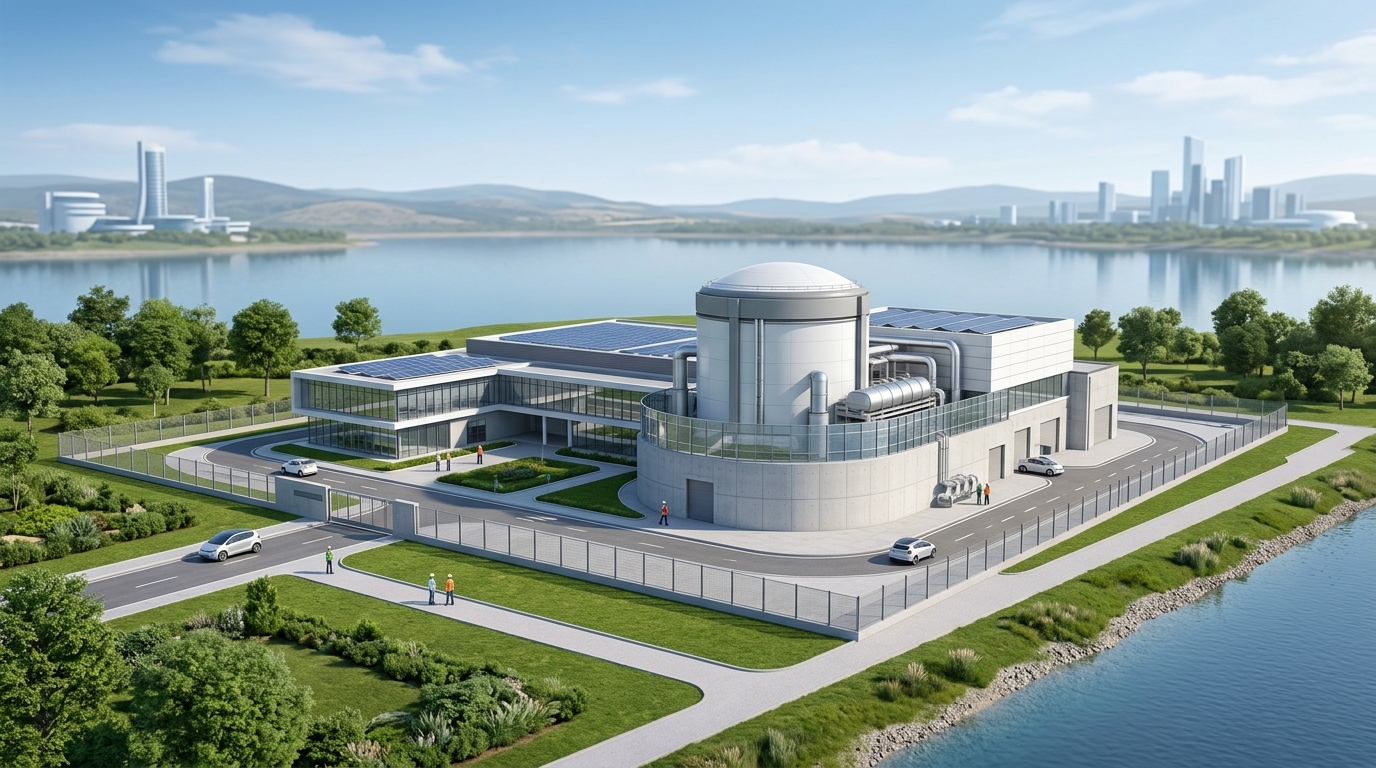
Small Modular Reactor (SMR) garnering attention as a next-generation energy source
A 40-Year Policy Reversal: What Will Change?
Italy halted nuclear power through a national referendum the year after the 1986 Chernobyl nuclear accident and closed its last reactor in 1990. Even during the 2011 Fukushima accident, public opinion against restarting nuclear power was overwhelmingly strong. However, public perception appears to be shifting significantly now.
The newly proposed nuclear power plants are expected to focus on Small Modular Reactors (SMRs), which differ from the large reactors of the past. SMRs are regarded as a technological advancement in terms of safety and efficiency, and the Italian government anticipates SMRs could be operational by the mid-2030s. Furthermore, a specific goal has been presented to meet more than 11% of total electricity consumption with nuclear power by 2050.
Italy's Nuclear Restart: Key Checkpoints to Watch
Flexibility of Energy Policy: Italy's shift, having once led the nuclear phase-out, demonstrates how flexibly national energy policies must adapt in the face of rapidly changing international circumstances and technological advancements.
Importance of SMR Technology: This will be another opportunity to confirm that SMRs, a next-generation nuclear technology, are emerging as a core solution for the global energy transition. Italy is considering the possibility of adopting nuclear technology from various countries, including South Korea, the United States, and France.
Changes in the Electricity Market: Diversifying energy sources can ultimately lead to stabilizing electricity prices and strengthening industrial competitiveness. This could also have a positive long-term impact on the real estate market.
Beyond Italy, several other European countries, including Belgium, Sweden, and Poland, are showing similar movements, either re-evaluating their nuclear phase-out policies or pursuing new nuclear power plant construction. Japan is also reportedly planning to expand its nuclear power share to prepare for surging electricity demand driven by factors such as the proliferation of AI data centers.
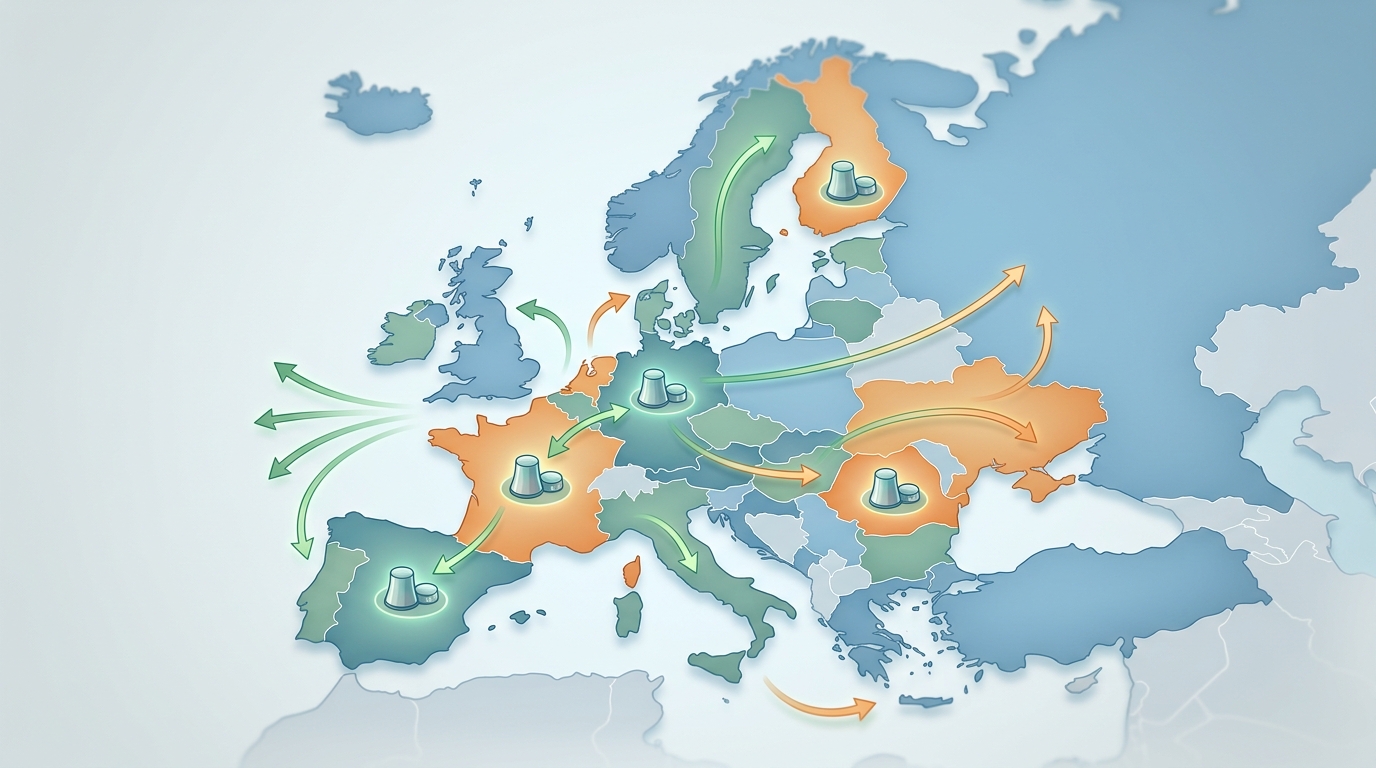
The movement to re-evaluate nuclear power spreading across Europe
Cautions and Future Variables
There are still many hurdles to overcome for the smooth progress of nuclear power restarts. Given the high public opposition to nuclear power in two past referendums, ensuring safety and managing radioactive waste remain crucial challenges. Especially considering Italy's frequent seismic activity, gaining public trust in safe site selection and technology adoption will be essential. The Italian government plans to pursue the development of a safe nuclear program and the establishment of an independent safety authority.
Furthermore, although the bill has passed the House of Representatives, it still awaits final approval from the Senate by the end of July. If the bill is finally passed, detailed implementing decrees will be drafted within 12 months, initiating the full reintroduction of nuclear power. Continuous attention is needed to see how Italy's energy policy will be concretized in the future.
This story will be helpful for:
- Investors interested in international energy market trends
- Those curious about energy policy changes in European countries
- Anyone contemplating the importance of diversifying energy sources in the era of carbon neutrality
- Individuals wishing to forecast the future of next-generation nuclear technologies like SMRs
❓Questions
Why did Italy shut down its nuclear power plants in the past?
Italy decided to phase out nuclear power through a national referendum the year after the 1986 Chernobyl nuclear accident, due to growing public concern over nuclear safety. Subsequently, the last nuclear power plant was shut down in 1990, halting nuclear power generation.
What type of nuclear power plants does Italy plan to restart?
The Italian government plans to rebuild its nuclear industry focusing on Small Modular Reactors (SMRs), considered next-generation nuclear power plants. SMRs are evaluated as more efficient than traditional large reactors, with enhanced safety and modular construction capabilities.
Does Italy's nuclear power restart align with the European Union (EU)'s stance?
Yes, the European Union (EU) has recently been re-evaluating nuclear power to achieve energy security and carbon neutrality goals. EU Commission President Ursula von der Leyen even referred to the nuclear phase-out policy as a "strategic mistake" and has presented SMR activation as a European strategy.
Italy's decision to restart nuclear power after 40 years is more than just a change in energy policy; it can be seen as part of a significant global trend seeking new solutions to the energy security and climate change challenges that the world faces. It will be important to observe the path Italy takes moving forward.