
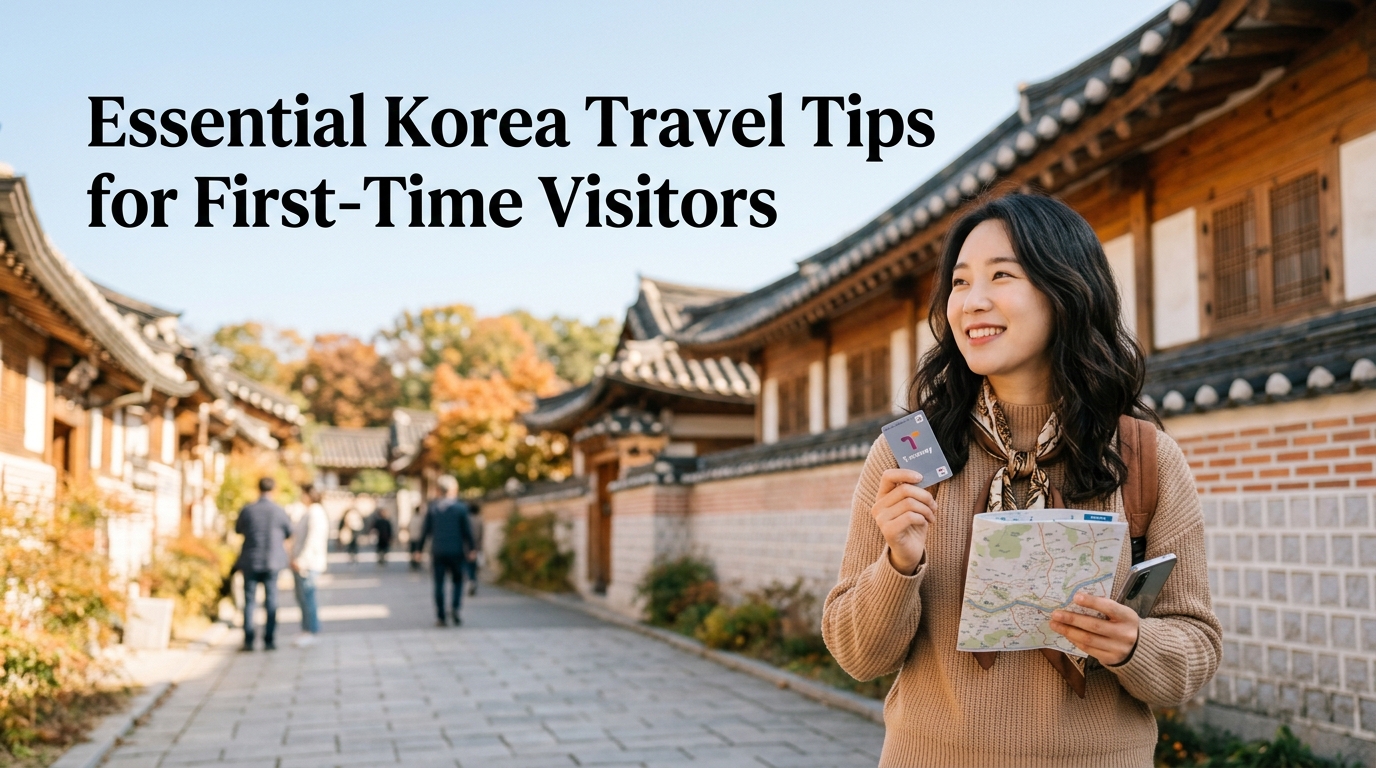
So, you're dreaming of a trip to South Korea? That's wonderful! Korea is a fantastic destination, offering an incredible blend of ancient traditions and cutting-edge modernity. But for first-time visitors, the sheer amount of information can sometimes feel a little overwhelming. Don't worry; this guide is here to simplify things and help you feel prepared from the moment you land.
To truly enjoy your adventure, a few key preparations can make all the difference. We'll dive into what you absolutely need to know about getting around, staying connected, handling your money, and navigating the local customs. Get ready to experience the magic of Korea without the guesswork!
Getting Around with Ease: Navigating Korean Transportation
Korea's public transportation system is incredibly efficient and well-connected, especially in major cities like Seoul. However, it operates a bit differently from what you might be used to.
T-Money Card: Your Best Travel Companion
The T-Money card is an absolute must-have for getting around. Think of it as your universal pass for subways, buses, and even some taxis and convenience stores across the country. You can purchase a T-Money card at any convenience store (like CU, GS25, or 7-Eleven) or at subway stations for about ₩2,500 to ₩4,000, depending on the design.
Recharging your T-Money card usually requires cash, although some newer subway station machines are starting to accept foreign credit cards as of 2026. It’s always safest to carry some cash for this purpose. Just tap your card when you enter and exit the subway gates or board and alight from buses to ensure you get the correct fare and any applicable transfer discounts.
Seoul's Subway System: Fast and Efficient
Seoul's subway is extensive and generally easy to use, with signs in English. For seamless navigation, do not rely solely on Google Maps for public transport directions in Korea. Instead, download local apps like Naver Map or KakaoMap. These are what locals use and provide accurate real-time information for subways, buses, and walking routes.
Additionally, the Subway Korea app can be incredibly helpful for just metro lines. Make sure to download these apps and set them to English before your trip!
Buses and Taxis: Other Convenient Options
Buses complement the subway system, reaching areas the subway doesn't. Remember to tap your T-Money card both when getting on and off the bus. For taxis, Kakao T is the dominant ride-hailing app, much like Uber in other countries, and can be very useful.
Staying Connected: Seamless Communication on the Go
Having reliable internet access is crucial for navigation, translation, and staying in touch. You have a few great options in Korea.
Wi-Fi, eSIMs, and Local SIM Cards
For most travelers, an eSIM is often the most convenient choice for mobile data in Korea. You can purchase and activate it before you even arrive, meaning you're connected the moment you land, without the hassle of swapping physical cards or waiting in airport queues. Providers like Saily offer competitive rates and easy setup.
If your phone doesn't support eSIMs, or if you specifically need a local Korean phone number for calls, texts, or verifying Korean apps like KakaoTalk for services, a physical local SIM card picked up at the airport is a good alternative. For groups traveling together, a pocket Wi-Fi device can be a cost-effective solution, allowing multiple devices to share one connection.
Managing Your Money: Payments and Currency in Korea
Korea is known for being a very cashless society, but it's wise to be prepared for all scenarios.
Korean Won and Cash Usage
The local currency is the Korean Won (₩, KRW). While credit and debit cards are accepted almost everywhere, from department stores to many street food stalls, there are still situations where cash is essential. You'll likely need cash for traditional markets (like Gwangjang or Namdaemun), some small local eateries, and definitely for recharging your T-Money card.
It's generally recommended to carry about ₩50,000 to ₩100,000 in cash at any given time for these smaller purchases or emergencies. For exchanging currency, you'll often get better rates in the city (e.g., Myeongdong in Seoul) rather than directly at the airport.
Credit Cards and Mobile Payments
Visa and Mastercard are widely accepted, but American Express might have limited acceptance at smaller establishments. When using your card at an ATM, look for those with a "Global ATM" sign, often found at convenience stores and banks. Always choose to be charged in Korean Won (KRW) to avoid dynamic currency conversion fees.
Mobile payment options like Apple Pay and Samsung Pay are becoming more common in Korea, but they often have limitations for foreign-issued cards. For many travelers, using a physical card (preferably one with no foreign transaction fees, like Wise or Revolut) combined with some cash is the most reliable strategy.
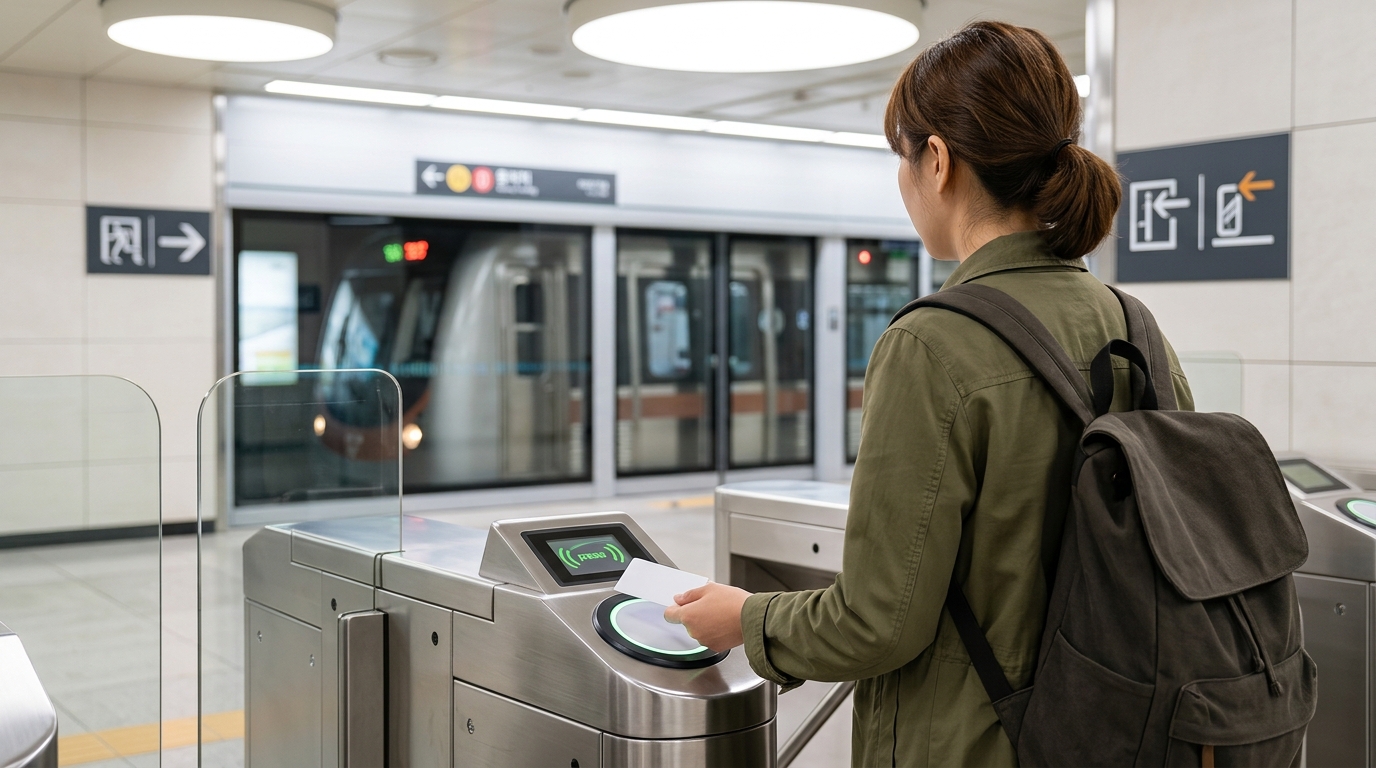
T-Money 카드로 편리하게 대중교통 이용하기
Embracing Korean Culture: Etiquette for First-Timers
Understanding a few basic cultural courtesies can greatly enhance your travel experience and show respect for local traditions.
Dining Manners and Respectful Interactions
When dining with Koreans, especially with elders, it’s polite to wait for the eldest person to pick up their spoon before you start eating. Unlike some other Asian cultures, it's customary to leave your rice bowl on the table rather than holding it. Use a spoon for rice and soup, and chopsticks for side dishes. And importantly, never stick your chopsticks vertically into a bowl of rice, as this resembles ancestral rites.
Korea has no tipping culture. Service charges are typically included, and attempting to tip might even cause confusion. A simple “thank you” is more than enough.
Public Conduct: Small Gestures, Big Impressions
You'll notice Koreans often greet with a slight bow, or a nod for less formal interactions. When giving or receiving anything, especially money or business cards, using both hands is a sign of respect.
On public transportation, be mindful of priority seats reserved for the elderly, pregnant women, and those with disabilities. It's customary to leave these empty, even if the train or bus is crowded. Avoid loud phone conversations or playing music without headphones in public spaces. Also, remember to take your shoes off when entering someone's home, temples, or some traditional restaurants.
What to Pack and Prepare: Essential Pre-Trip Checks
A little planning before you go can save a lot of trouble.
Weather-Wise Packing
South Korea experiences four distinct seasons. Spring (March to May) and Fall (September to November) are generally considered the best times to visit, offering mild weather and beautiful scenery like cherry blossoms or vibrant autumn foliage. Summers (June-August) can be hot, humid, and rainy, while winters (December-February) are cold and dry. Pack accordingly, considering layers for shoulder seasons and comfortable walking shoes, as you'll likely do a lot of exploring on foot.
Visa and Travel Insurance
Before your trip, always verify the latest visa and entry requirements for your nationality on the official government portal. As of June 2026, many countries (including the US, UK, most EU nations, Australia, New Zealand, and Canada) are currently exempt from the K-ETA (Korea Electronic Travel Authorization) requirement until December 31, 2026. However, this can change, so a quick check closer to your travel date is always smart.
Regardless of K-ETA status, all visitors must complete an e-Arrival Card online before landing, which helps streamline the immigration process. Don't forget to consider travel insurance to protect against unexpected events during your journey.
Beyond the Basics: Where to Explore
For your first visit, it's easy to want to see everything, but a focused itinerary can be more rewarding.
Popular Destinations: Seoul and Beyond
For a first trip, especially if it's less than a week, focusing on Seoul is highly recommended. You could easily spend 5-7 days exploring its diverse neighborhoods, historic palaces like Gyeongbokgung, bustling markets, and trendy cafes. If you have 10 days or more, adding Busan or Jeju Island could be a fantastic way to experience different facets of Korea.
Food Adventures: Must-Try Korean Dishes
Korean cuisine is a highlight for many travelers. Don't limit yourself to just Korean BBQ! Be adventurous and try iconic dishes like Bibimbap, spicy Tteokbokki from a street stall, and crispy Korean fried chicken. Exploring local restaurants beyond the main tourist areas can often lead to delicious discoveries.
Frequently Asked Questions
What are the essential apps I should download for my trip to Korea?
For navigation, Naver Map and KakaoMap are crucial, as Google Maps doesn't provide reliable public transport information in Korea. Subway Korea is also excellent for subway-specific navigation. For translation, Papago is highly recommended. If you plan to use taxis, download Kakao T.
Do I need cash in South Korea, or can I rely solely on cards?
While South Korea is largely cashless and major credit cards (Visa, Mastercard) are widely accepted, it's wise to carry some cash (around ₩50,000 to ₩100,000). You'll need it for recharging your T-Money card, making purchases at traditional markets, and buying street food from smaller vendors. Some small, older shops might also prefer cash.
Is tipping customary in Korea?
No, tipping is generally not customary in South Korea. Service charges are usually included in prices, and attempting to leave a tip might even cause confusion or be considered impolite. A verbal "thank you" (감사합니다 - gamsahamnida) is always appreciated!
Preparing for your first trip to Korea doesn't have to be complicated. By taking care of these practical aspects beforehand, you'll free yourself up to immerse fully in the incredible experiences this vibrant country has to offer. Enjoy your journey!