
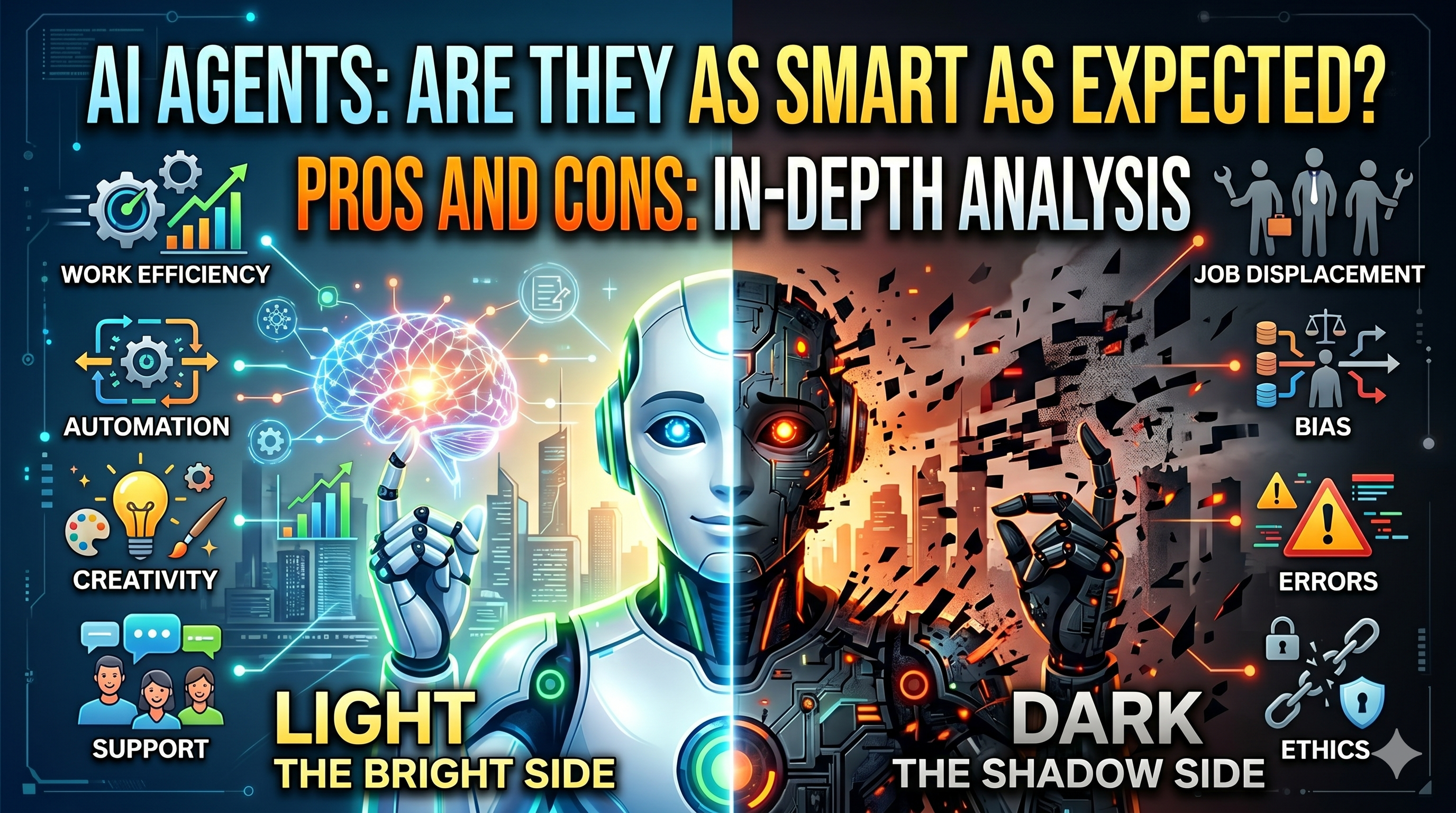
In our rapidly changing digital world, we frequently encounter the term 'AI agent.' Like personal assistants straight out of a movie, AI agents, which process complex tasks based on user instructions, are generating significant excitement. But are AI agents truly the all-in-one solution that will perfectly transform our lives? We must first acknowledge the reality that they sometimes face unexpected challenges.
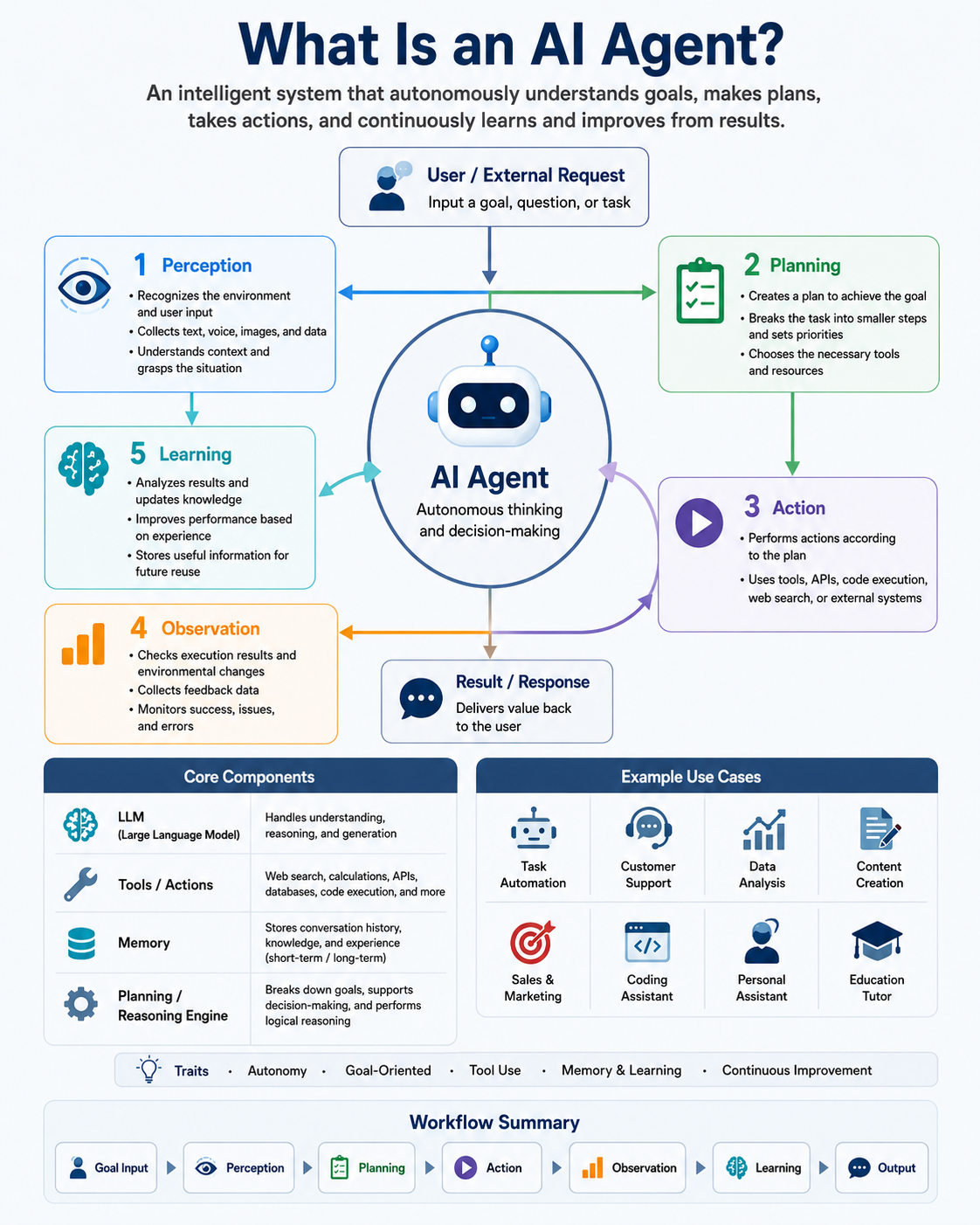
Three Perspectives on AI Agents: Efficiency, Reliability, and Ethics
The development of AI agent technology cannot be viewed solely from a technical perspective. To understand how this technology impacts our lives, we must approach it with three key criteria: efficiency, reliability, and ethics.
Whenever new technology is introduced, questions always follow: 'How much will this truly help us?' 'Can we trust it?' And, 'Will it infringe upon human domains?' AI agents are no exception to these questions.
The 'Bright Side' of AI Agents: Revolutionary Changes in Daily Life and Work
AI agents are already revealing their 'bright side' across various aspects of our lives, demonstrating incredible potential. The most striking aspect is the overwhelming increase in efficiency.
- Enhanced Personalized Services: Beyond shopping and content recommendations, they offer much more detailed and personalized services, including personal schedule management and health data analysis. It feels like having a dedicated personal assistant.
- Task Automation and Productivity Boost: By delegating repetitive and time-consuming tasks to AI agents, people can focus on more creative and strategic work. They are already active in various office tasks such as drafting reports, data analysis, and email classification.
- Increased Accessibility and Convenience: Through voice recognition and natural language processing technologies, users who find device operation difficult can easily obtain information and use services via AI agents. This can also contribute to bridging the digital divide.
These changes are particularly significant in an era of information overload. The role of AI agents in finding necessary information and drawing meaningful conclusions from an abundance of data is becoming increasingly vital.
The 'Dark Side' of AI Agents: Unexpected Shadows and Challenges
Every innovation inevitably comes with a shadow. AI agents are no exception to potential risks and ethical issues. Recent news reports clearly indicate points that cannot be viewed with unbridled optimism.
Particularly concerning is the possibility of errors and malfunctions. An AI agent's judgment error can lead to severe harm, not just mere inconvenience. Critics point out that malfunctions in sensitive areas like financial transactions, medical diagnostics, or autonomous driving could lead to irreversible consequences.
- Data Bias and Discrimination: If the data AI agents learn from contains biases, this can lead to discriminatory judgments against specific groups. Concerns are raised, for instance, about the potential for unfair outcomes in hiring processes or loan approvals.
- Privacy Infringement and Security Issues: Given that AI agents learn from and operate based on user data, there is always a risk of sensitive personal information leakage. A vulnerable security system could lead to severe privacy violations.
- Unclear Ethical Accountability: When problems arise due to decisions made by an AI agent, it is often unclear whether the responsibility lies with the user, the developer, or the AI itself. This can spark complex legal and ethical debates.
- Job Displacement Threat: As AI agents replace tasks in certain job categories, societal concerns about job reduction are also growing.
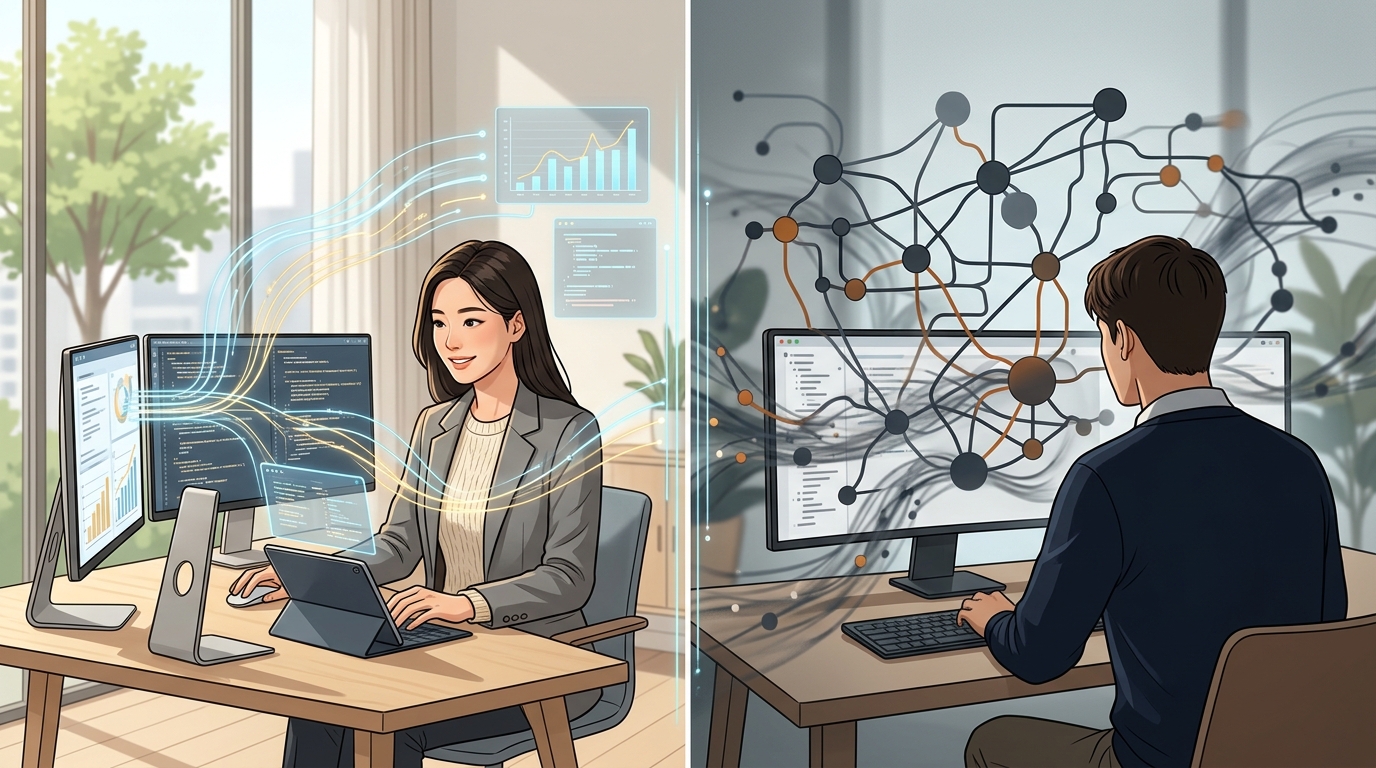
The Coexistence of Bright and Dark Sides Brought by AI Agents
Commonly Overlooked Aspects When Adopting AI Agents
When you actually consider adopting AI agents for daily life or work, there are more factors to consider than you might initially think. Those new to the technology, in particular, often focus only on technical performance and overlook crucial aspects.
- Excessive Dependency: Over-reliance on AI agents can lead to a loss of critical judgment skills, or render individuals unable to perform tasks without the agent. Technology is merely a tool; core decision-making remains a human responsibility.
- Cost Issues: Beyond initial implementation costs, unseen expenses such as maintenance, updates, and subscription fees for specific features can arise. A long-term assessment of cost-effectiveness is necessary.
- Customization Challenges: Off-the-shelf AI agents rarely meet 100% of every user's needs. The process of customizing them for specific work environments can be complex or costly.
It is particularly important to break free from the illusion of a 'panacea.' While AI agents are undoubtedly powerful tools, wisdom is required to clearly recognize their limitations and utilize them appropriately.
Practical Checklist for Smart AI Agent Utilization
Here are several checkpoints you can review right now to maximize the benefits and minimize the downsides of AI agents.
| Checkpoint | Description |
|---|---|
| Define Clear Goals | Clearly define the objectives you aim to achieve with AI agents. Vague implementation can only lead to confusion. |
| Verify Trustworthy Sources | Check the data sources and learning methods used by the AI agent to verify its reliability and transparency. |
| Security and Privacy Protection | Thoroughly review the security policies and personal information handling guidelines of the AI agent you use, and treat sensitive information with extra caution. |
| Room for Human Intervention | In situations requiring important decisions, always leave room for human review and final judgment. |
| Continuous Monitoring | Regularly monitor the AI agent's performance and behavior, and be prepared to respond immediately if unexpected issues arise. |
📌 Important
Will AI Agents Completely Replace Human Jobs?
Currently, AI agents are evolving not to completely replace all human jobs, but rather to automate repetitive and standardized tasks, thereby increasing human work efficiency. It is more likely that new professions will emerge by collaborating with AI agents to create new value. The important thing is to develop new competencies and adapt to change.
How Can We Manage the Risk of Personal Information Leakage?
To mitigate the risk of personal information leakage when using AI agents, you should choose products from reputable developers and carefully review their privacy policies before use. Additionally, it is advisable to avoid directly entering sensitive information whenever possible, or to use it only in enhanced security environments. Regular password changes and two-factor authentication are also crucial.
What Efforts Are Being Made to Address Ethical Issues with AI Agents?
Globally, active efforts are underway to establish AI ethical guidelines and legal frameworks. From the development stage, research and policy discussions are focusing on eliminating data bias, ensuring transparency, and clarifying accountability. The importance of AI ethics education is also being emphasized. In essence, ethical considerations are progressing alongside technological advancements.
AI agents are undeniably a technology with the potential to make our lives richer and more convenient. However, to fully enjoy their 'bright side,' a deep understanding of their 'dark side' and wise countermeasures are absolutely essential. Rather than being swept away by the wave of new technology, the wisdom to make independent judgments and utilize them effectively will bring us a better future. We hope that AI agents will transcend being mere tools and become partners that make our lives more human.